

Air Jordan Resale Economy: Smart Tips for Buyers and Sellers
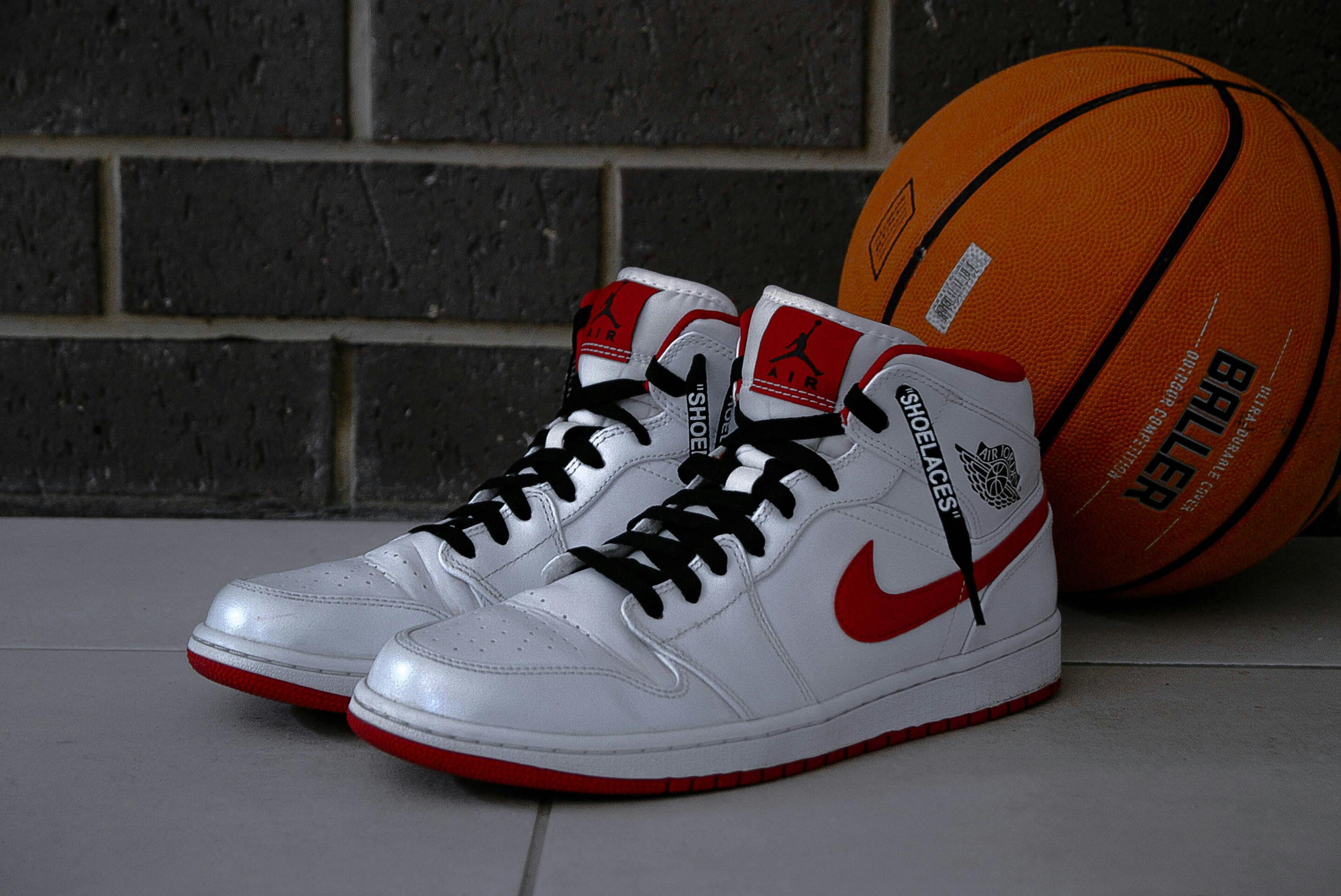
The Air Jordan resale market has developed from a fringe hobby into a multi-billion-dollar business operating with the sophistication of a Wall Street trading floor. Shoes that retail for $170 can command $500, $1,000, or even $10,000 depending on silhouette, colorway, and scarcity. For purchasers, this space grants the opportunity to buy unavailable releases and holy-grail pairs that would otherwise stay out of reach. For entrepreneurs, it provides a legitimate revenue source that many business owners have turned into full businesses. But working this space without information is a direct route to spending too much or getting scammed. Whether you are looking to score a pair below market price or turn around your freshest SNKRS hit for cash, knowing the workings of the Air Jordan resale ecosystem in 2026 is crucial.
Understanding the Resale Ecosystem
The modern sneaker resale market works through a handful of dominant platforms, each with unique pricing models and buyer demographics. StockX introduced the “stock market for sneakers” model, collecting sellers a percentage between 8 and 10 percent based on seller level. GOAT runs a parallel marketplace but brings the choice to sell pre-owned sneakers in addition to brand-new pairs, expanding the addressable market. eBay came back into the verified sneaker arena with its Authenticity Guarantee feature and presently charges zero seller fees on sneakers over $150, positioning it as the most cost-effective channel for sellers in 2026. Nearby resale shops like Flight Club charge a heftier 15 to 20 percent fee but offer on-site legit checking and on-the-spot payment. Social media channels still drive substantial P2P transactions, though without built-in authentication the chance of fraud is official website considerably higher. Knowing each platform’s fee structure helps you pick the best option based on whether you prioritize the highest return, speed, or buyer/seller protection.
The Factors Behind Resale Prices
Resale pricing adheres to cycles driven by identifiable market forces. The biggest influence is scarcity — limited editions under 50,000 pairs almost always attract considerable price increases, while general releases above 200,000 pairs often trade at or under retail after launch buzz fades. Collaboration status massively amplifies value: a Travis Scott or Off-White partnership can add 300 to 800 percent to resale compared to a regular edition of the same model. OG releases that Michael Jordan actually wore during games perpetually command higher prices than recent reimaginations of the same shoe. The state of the pair is another key factor, with factory-fresh pairs attracting a 30 to 50 percent premium over gently worn pairs. The most typical men’s sizes (9 through 11) tend to have more inventory on sites, while uncommon sizes often earn higher prices due to rarity. Resale values commonly reach their maximum during November and December holiday season and dip during slower summer.
| Platform | Seller Fee | Legit Check | Payment Speed | Used Sales | Recommended For |
|---|---|---|---|---|---|
| StockX | 8–10% | In-house physical | 3–7 business days | No | Market data access |
| GOAT | 9.5% + shipping | Physical in-house | 3–5 business days | Yes | Pre-owned sales |
| eBay | 0% (over $150) | Third-party physical | 1–3 business days | Yes | Highest seller earnings |
| Flight Club | 15–20% | In-store experts | Immediate (cash) | Yes | Instant cash transactions |
| Instagram / Facebook | 0% | No verification | Immediate | Yes | Fee-free direct sales |
Smart Buying Strategies
When you buy is the most effective tool for obtaining Air Jordans at less than top secondary market values. Nearly all buzzworthy drops adhere to a consistent trajectory: values surge straight after release day as sellers leverage FOMO, then gradually fall over two to six weeks as first-wave demand is met and additional inventory hits the market. Waiting 30 to 45 days after release can save 15 to 30 percent compared to day-one resale, according to past data on StockX. Placing bid notifications on platforms like StockX and GOAT enables you to set your price and be patient until a seller to match your offer, rather than accepting the current ask which inevitably reflects the most ambitious seller valuation. Contrasting prices across multiple platforms before pulling the trigger is crucial because the identical pair in the same size can vary by $20 to $80 between StockX, GOAT, and eBay at any given time. For legacy retro drops not in the midst of a present hype wave, values commonly bottom out during June through August when sneaker market volume generally tapers off. On top of that, buying in uncommon sizes can at times benefit you because these sizes have fewer buyers chasing the same restricted supply.
Selling for Maximum Profit
Strategic reselling commences well before you upload a pair — it begins with securing the best stock through primary retail at the lowest possible cost basis. Entering every available entry for high-demand releases through Nike SNKRS, Foot Locker, JD Sports, and specialty retailers maximizes your likelihood of landing pairs at MSRP, which is the basis of resale earnings. Listing speed is critically important: putting up your pair within the first 24 to 48 hours after drop, when fear of missing out is at its peak and inventory on platforms is still limited, typically generates the highest selling price for that drop cycle. Document your pairs in detail and protect original packaging in perfect condition, because consumers on verified platforms shell out noticeably more for pairs that arrive in mint-condition boxes with all OG accessories present. Watch recent sold listings — not just active listings — to establish competitive list prices, since overpriced listings go unnoticed while the marketplace moves without you. Evaluate platform selection thoughtfully: eBay’s zero-fee structure on sneakers above $150 means you keep approximately 10 percent more than on StockX, translating to $30 to $50 more profit per pair.
Authentication and Avoiding Counterfeits
Replica Air Jordans have turned shockingly convincing in 2026, with some replicas almost indistinguishable from real pairs without specialized equipment. The lowest-risk strategy for consumers is acquiring strictly through services with hands-on verification — StockX, GOAT, and eBay’s Authenticity Guarantee each employ trained authenticators who physically inspect every pair before it reaches the consumer. For peer-to-peer purchases through Instagram or in-person meetups, purchase a UV blacklight that uncovers invisible quality-control stamps replica makers infrequently reproduce, and a jeweler’s loupe for examining sewing details and surface textures at close range. Red flags include suspiciously low prices, sellers unwilling to send additional images, and nonspecific “authenticity guaranteed” wording without naming a verification process. Apps like CheckCheck and Legit Check deliver smartphone-based legit checking where you upload photos and receive a professional opinion for $3 to $10 per check. For vendors, confirming the authenticity of your stock safeguards your reputation and stops costly refund claims — platforms will sanction or remove sellers who ship fake goods, even unintentionally.
The Market Outlook for 2026 and the Future
The Air Jordan resale market in 2026 stands at an notable pivotal moment driven by opposing trends. Jordan Brand has raised production on many retro releases, softening price increases on widely available drops and pushing typical premiums down from pandemic peaks. Nevertheless, authentically restricted collabs and OG editions still attract solid markups, showing the market is separating between affordable products and ultra-exclusive product. According to findings from Cowen & Company, the international sneaker resale market is estimated to reach $30 billion by 2030, with Air Jordans persisting as the most transacted label. For individual participants, this development means more market activity, enhanced market transparency, and greater rivalry — dynamics that advantage knowledge and patience over emotion. Whether you view the market as a buyer chasing coveted pairs or a seller building a side business, the basics remain: purchase what you know, sell at the right time, legit check all inventory, and approach resale with the same discipline as any real investment.

Leave a Reply